
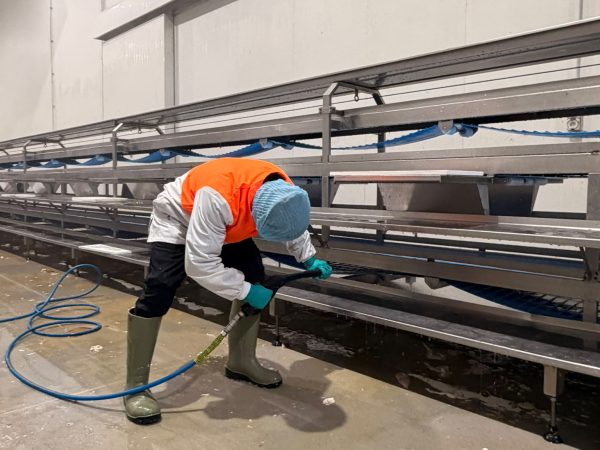
Most people dread the words “HACCP audit” without really knowing why. It usually comes down to one simple test: can you actually show that your cleaning and food handling practices hold up, day after day, not just on the day someone’s watching. Whether you’re the HACCP Coordinator putting the paperwork together, the Quality Manager signing off on it, or the Production Manager making sure the floor matches what’s on paper, the pressure lands the same way. Coreserve deals with this side of things regularly for food production sites across Australia, so here’s what genuinely goes on, where things tend to go wrong and what it actually takes to get through one without the stress.
What Does a HACCP Auditor Check?
Nobody’s trying to catch you out. An auditor is simply checking whether your paperwork matches reality. That includes cleaning frequencies, standard operating procedures, training registers and chemical registers, all of which need to reflect what’s actually happening on site, not just what’s written down somewhere. Auditors will also look at your hazard analysis itself, whether the critical control points identified actually make sense for your operation, and whether corrective actions from any previous audit were properly closed out. Coreserve builds onsite systems that double as the audit trail itself, so when someone asks for records, they’re already there, current, and easy to find.
What Happens During a HACCP Audit?
Beyond the paperwork, someone walks the floor. They’ll inspect storage temperatures, equipment condition, pest control measures, staff hygiene practices and general housekeeping. Basically, they’re confirming the doing matches the writing. Most audits move through a fairly predictable order: document review first, then a physical walkthrough, then a debrief where any gaps get raised before a formal report follows. Maintenance sits quietly behind all of this too. A fridge that’s running warm, or a seal that’s past its best, can undo weeks of good paperwork in one inspection. It’s a big reason Coreserve treats maintenance and cleaning as the same job, not two separate ones.
Where Most Venues Actually Fall Short
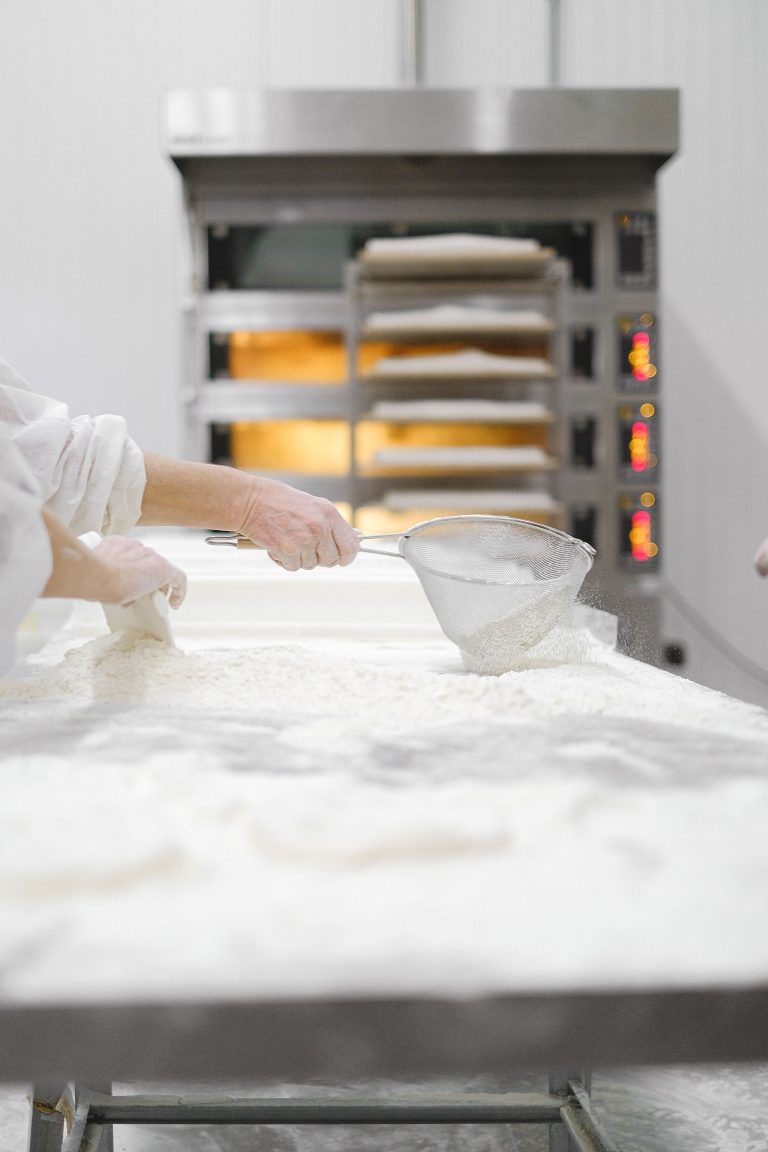
Coreserve sees this pattern often enough to know it’s rarely one dramatic issue. It’s a training register that’s a few weeks out of date. A chemical register missing a product someone swapped in last month. Cleaning logs that fell a day or two behind during a busy stretch. Small stuff.
Picture a busy production site the week before an audit. Nothing is technically broken. But the cleaning schedule shows one shift’s sign off happened twenty minutes before the line started, not after the previous clean like it’s supposed to. On its own, that’s a shrug. Stack five or six of those across different registers and an auditor starts asking whether the paperwork reflects what’s really happening, or just what’s convenient to write down. That’s usually what turns a clean pass into a list of corrective actions, not one big mistake, but a pattern of small ones, and it’s exactly the kind of gap a Compliance Manager or Plant Manager wants caught internally, long before an outside auditor finds it first.
How to Pass a HACCP Audit
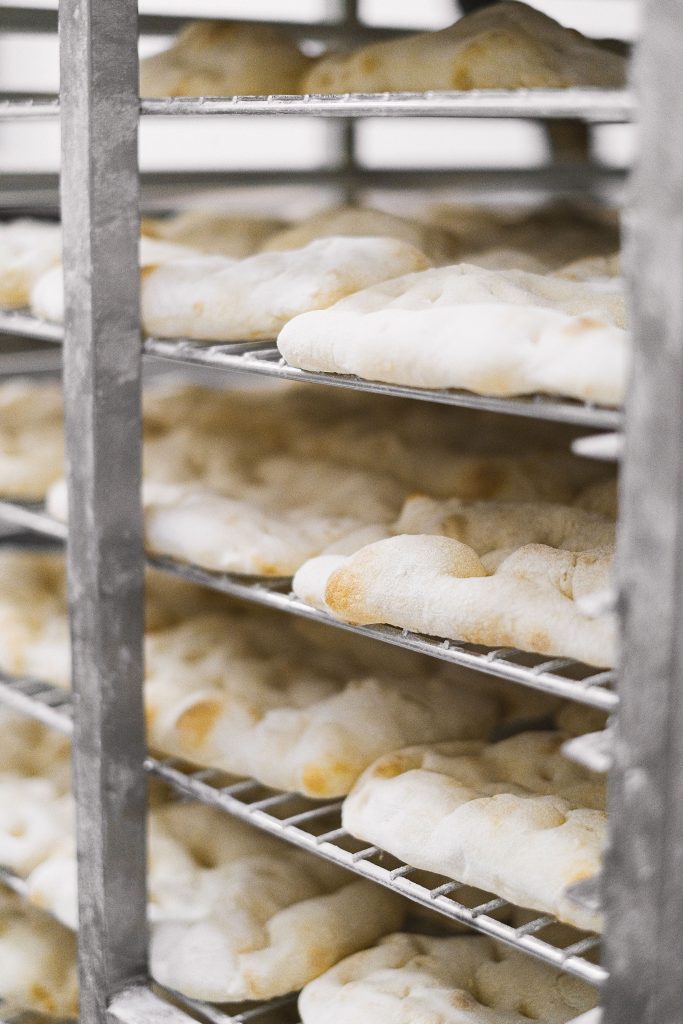
The venues that get through calmly are the ones treating compliance as compliance led, something built into the everyday running of the site, not a scramble the week before. HACCP compliance works best baked into routine, not bolted on last minute. Keep registers updated as things change rather than only at review time. Do regular internal checks instead of waiting for the external one. Fix small issues the moment they’re noticed rather than letting them stack up. Having a consulting service & supply partner who knows the standards well enough to spot gaps early helps too, which is exactly the kind of support Coreserve’s consulting team provides alongside the cleaning and maintenance side. Coreserve leans on 24/7 support, regular inspections and ongoing maintenance to help sites improve efficiency without letting compliance slip through the cracks.
Why Is HACCP Compliance Important?
An audit is really just a snapshot. Essential, day to day food safety habits are what actually keep a venue safe, and getting it wrong isn’t just a paperwork problem, it’s a genuine food safety risk and can mean lost trading time while issues get fixed. For a WHS Officer or Compliance Manager, that’s the real stake, not just passing an audit, but knowing the site is actually safe in between them too. Coreserve treats it as an ongoing job, not a once a year drop in.
Consistent Service You Can Trust
At the end of the day, an audit isn’t really the test. The real test is whether a venue can walk into one without any last minute panic, because the compliance work has already been done properly, every day leading up to it. That’s what Coreserve means by Consistent Service You Can Trust, and it’s baked into how Coreserve handles HACCP compliance from day one, not just audit week.
If you’ve got an audit coming up, or just want a clearer read on where your site stands, get in touch through our website and someone from the Coreserve team can walk you through what proper HACCP compliance looks like for your facility, wherever you are in Australia. It’s the kind of groundwork Coreserve puts in long before an audit date ever gets set.